Our story
Built by streamers, for streamers
Tangia started because Dan Goodman's chat was out of control — in the best way. He wanted the chaos without losing the stream.
Founder
Dan Goodman
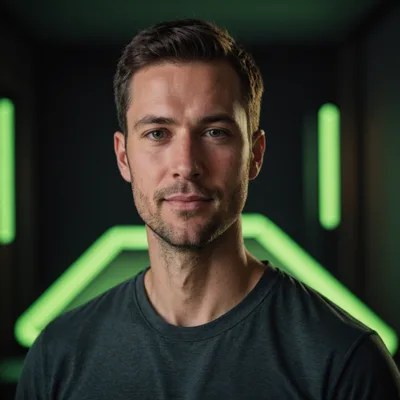
Dan Goodman
CEO & Co-Founder
Tangia started in 2021 because Dan was streaming variety content on Twitch and his chat kept breaking his stream at the worst possible moments. Raid of 200 people during the final boss. Five airhorns at once during a heartfelt moment. Channel points being redeemed with no order or logic.
He built the first version of the queue system in a weekend to fix his own problem. A few Twitch friends tried it and said it changed how their streams felt. That was enough to keep building.
Tangia has been bootstrapped from San Francisco since day one. No investor pressure, no roadmap driven by what a VC thinks the market wants. Tools built for what streamers actually need — based on using the product every week.
The team is small by design. Four people who stream, use the product, and ship weekly. The bar is simple: if it's annoying to a streamer, fix it. If it helps a viewer interact without chaos, build it.
The team
Small team, full stack
Four people. All stream regularly. All use Tangia on their own channels.
Dan Goodman
CEO & Co-Founder
Alex R.
Frontend Engineer
Maya T.
Designer
Jordan K.
Backend Engineer
Principles
How we build
Creator first
Tools are built for streamers, not for enterprise contracts or investor slides. Every feature ships because a real streamer asked for it or hit a wall with the existing tooling.
Queue not chaos
Controlled interactions beat random alerts every time. The queue metaphor is fundamental — streamer controls the pacing of their own content experience.
Ship weekly
Bootstrapped means no funding rounds to wait for. We ship weekly. Sometimes twice. If it's broken, it gets fixed fast. No 6-week release cycles.
What Tangia is not
Tangia is the interaction queue layer that runs on top of Twitch and Kick. We are not an OBS replacement, not a chat bot, not a donation processor, and not a VOD platform. Your stream uptime depends on OBS and Twitch — we make the interactive overlay part of your stream more controlled and less chaotic. We don't make promises outside that boundary.